Chana’s Diary
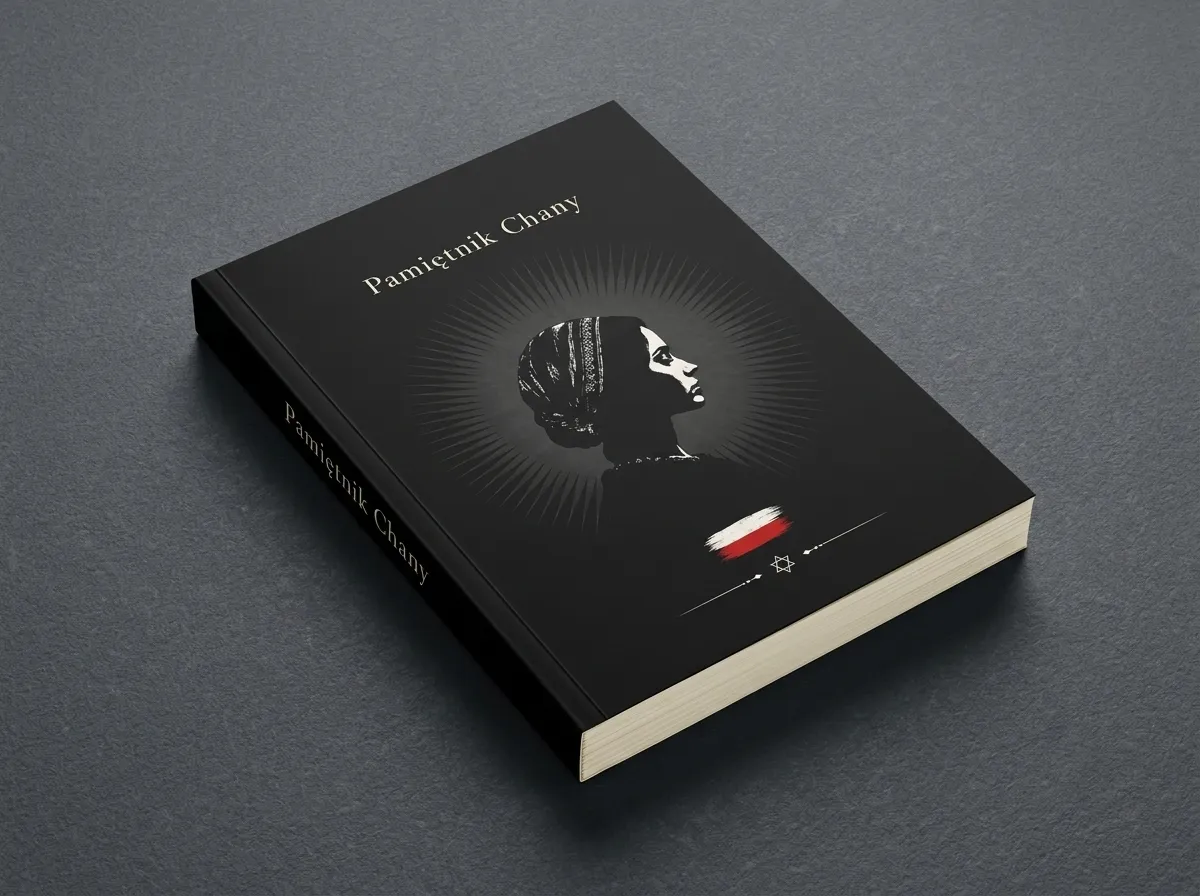
Support the association with a donation of at least PLN 50 and receive a copy of “Pamiętnik Chany” (Chana’s Diary) by post as a thank-you. Collection in person is also possible.
- Edited with a foreword by
- Bartłomiej Bart Dyrcz
- Publisher
- Grupa Przyjaciół Historii Ziemi Tokarskiej
- Honorary patron
- Stowarzyszenie Gromada Łętownia
- Publication date
- 30 September 2026
- ISBN
- 978-83-955088-3-7
- Pages
- 152
“Pamiętnik Chany” (Chana’s Diary) is one of the most moving testimonies of the Holocaust written in Poland. It was created in extraordinary circumstances: in an underground hiding place, where every day could have been the last. Written sometimes in pen, sometimes in pencil, with passages blurred by tears, it became a record of the struggle to survive and, above all, of unbroken humanity.
Chana Windstrauch was just twenty-one when the Second World War broke out. Raised in the family of a Jewish farmer from Jordanów, she loved nature, animals and a world that the war destroyed forever. In her diary she describes the loss of loved ones, loneliness, fear and betrayal, but also her love for her Parents, Brothers and Husband — words she consistently capitalises to express her deepest respect and affection. It is a story of suffering that did not extinguish hope; of faith, longing for freedom and the strength of spirit that helped her endure day after day underground.
It is also a testimony to extraordinary courage and solidarity. Thanks to the selfless help of Jan Mirek, a Polish farmer from Łętownia who risked his own life to bring food to Chana and her husband Icchak in their underground hiding place for a year and a half, both survived until the end of the war.
This edition was prepared by Bartłomiej Bart Dyrcz, who added historical commentary and brought back to modern readers one of the most precious testimonies of local history and of Jewish lives under German occupation. Afterwords by Professor Tomasz Gąsowski, Father Dr Sławomir Filipek and Marek Stoszek of the Forum Liderów Dialogu place this exceptional document in a broader historical and moral context.
This book is more than a diary. It is a human voice brought out of the darkness: a testimony showing that even in times of the greatest cruelty, dignity, faith and humanity can survive.